Adventus is an automated submission platform for commercial property. Its pitch to property-focused independent agencies across the US is simple: write more commercial property, and let Adventus handle the grunt work. That work is submission preparation for properties of all types, including complex habitational accounts like apartment complexes and HOAs, and the same engine gives real estate investors a clearer view of their portfolios. At the center of every submission is the schedule of values, or SOV, the building-by-building list of construction, occupancy, and exposure details an underwriter needs to quote.
Putting that schedule together by hand is slow, and on multi-building properties it is where the errors creep in. Adventus set out to automate it, and that meant finding property data granular enough to describe each building on a parcel rather than the parcel as a whole.
The multi-building problem
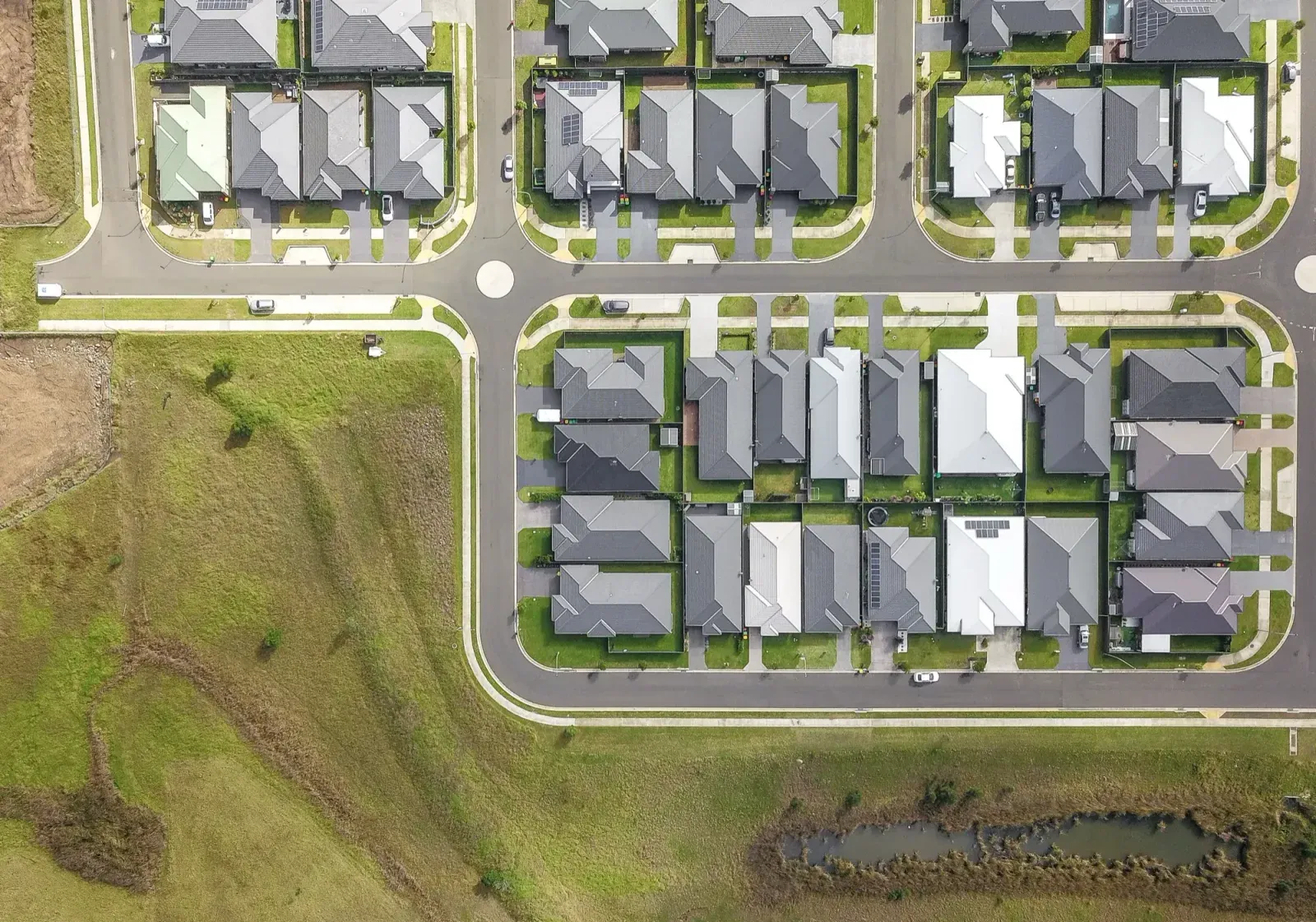
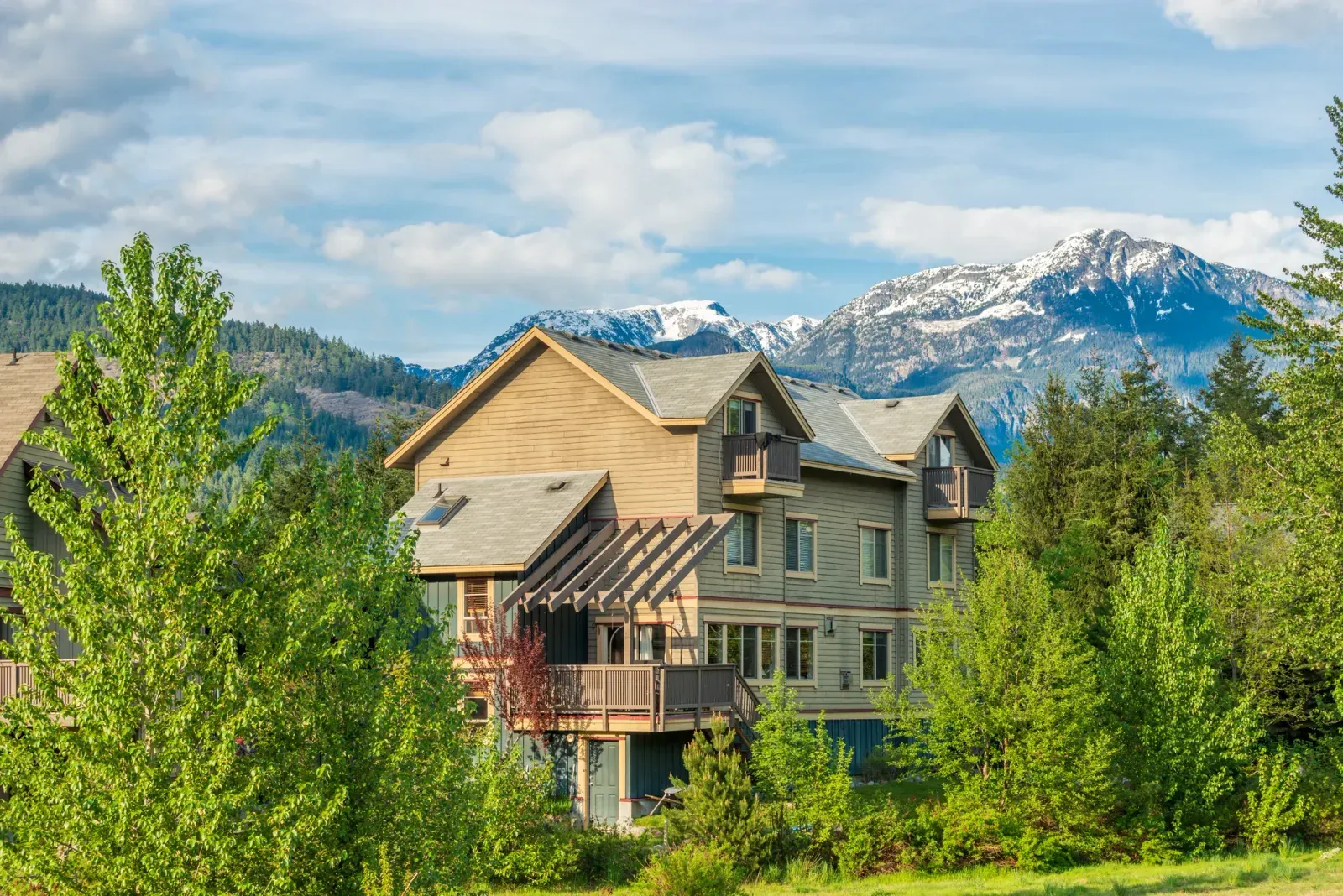
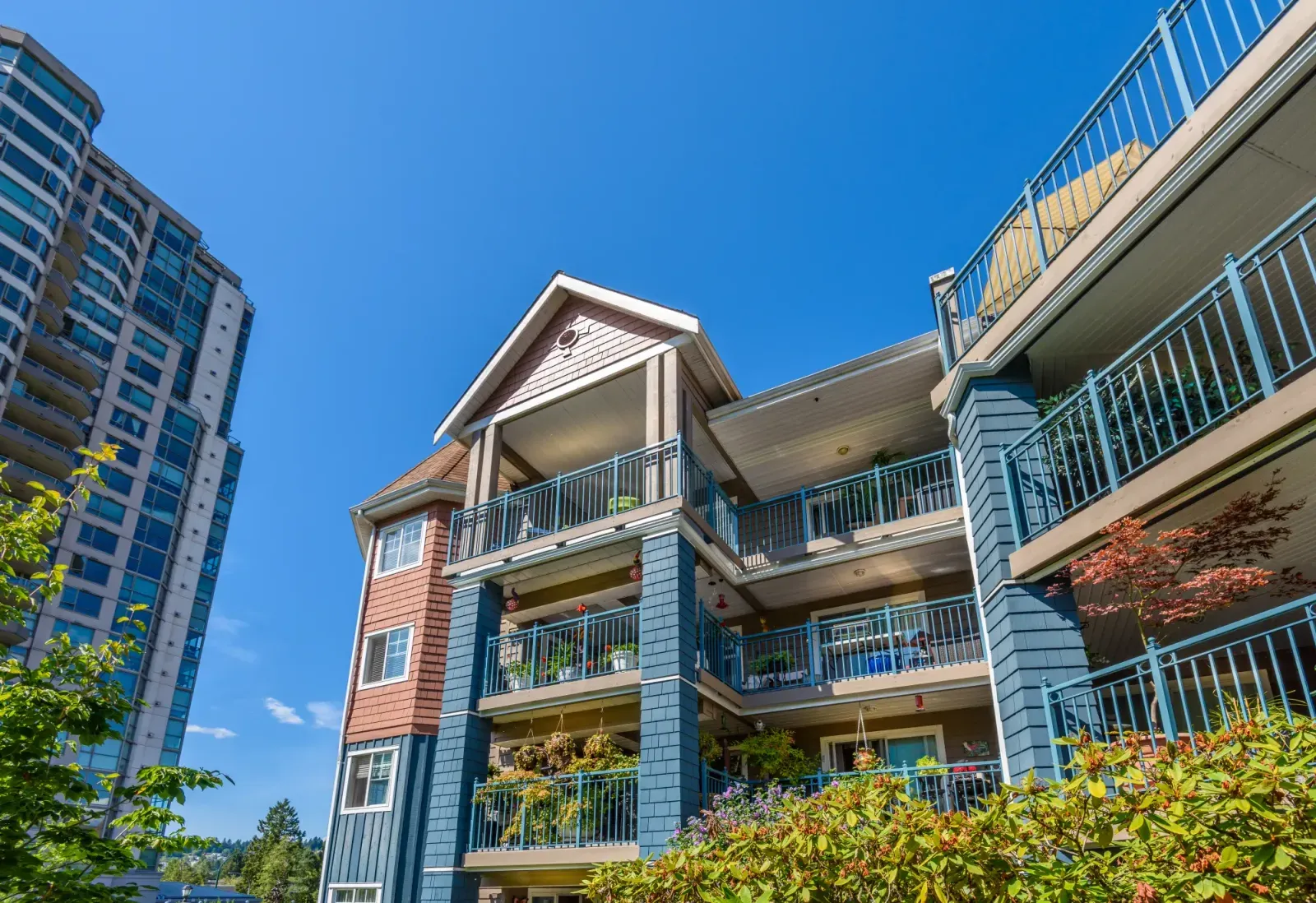
An apartment complex is rarely one building. It can be a dozen structures of different ages and construction types sharing a single parcel, and county improvement records often describe that parcel in a single line. A schedule built from the county record alone misses the differences that matter to an underwriter.
Adventus combines PropertyLens data, county records, and its own technology to lift each building out of the parcel. Building footprints and aerial imagery separate the structures, and PropertyLens fills in what is known about each one, so the team can model the questions an underwriter is likely to ask before the submission goes out.
The data behind every schedule
Each building on an Adventus schedule draws on PropertyLens products the team can mix to fit the job:
- Building permits: the record of what work has actually been done on a building, from roof replacements to system upgrades.
- Roof Score: a condition grade for each individual building on the property, and a second source when no permit confirms a roof replacement. A discernible change in roof condition shows up here even when the paperwork does not.
- Natural perils and hazards: the exposure picture underwriters expect on a commercial submission, included when a customer needs it and left off when they do not.
- Commercial replacement costs: a per-building starting point that Adventus refines with its own data to produce custom valuations.
- Property characteristics: year built, construction, and building details that describe each structure rather than the parcel as a whole.
When a building’s roof grades poorly, the schedule flags it. Underwriters see the specific building rather than a parcel-wide average, and property managers and investors get a clear pointer to what needs attention.
A la carte, by design
Adventus’s customers want different things at different times, so the team calls only the data a job needs. If permits cannot confirm a roof replacement, the agent defers to Roof Score. Customers who do not need hazard data do not pay for it, and those who want more get it as a premium add-on. Because PropertyLens prices per call, that flexibility passes straight through to Adventus’s own pricing.
The results
With PropertyLens underneath, Adventus turns out a complete schedule of values, multi-building properties included, in minutes, and delivers it at 64% less cost than its previous provider. Every building on the schedule has its own permits, roof grade, and construction details, rather than a single line inherited from the county record.
Nobody else gives us this level of granularity. We see the individual buildings on a property, not just the parcel, the data is complete, and it costs a fraction of what we paid before. The team is incredibly responsive, easy to work with, and keeps shipping things we put to use right away. Anyone who asks me where to get property data, I send to PropertyLens first.

Paul DrakeFounder
Adventus